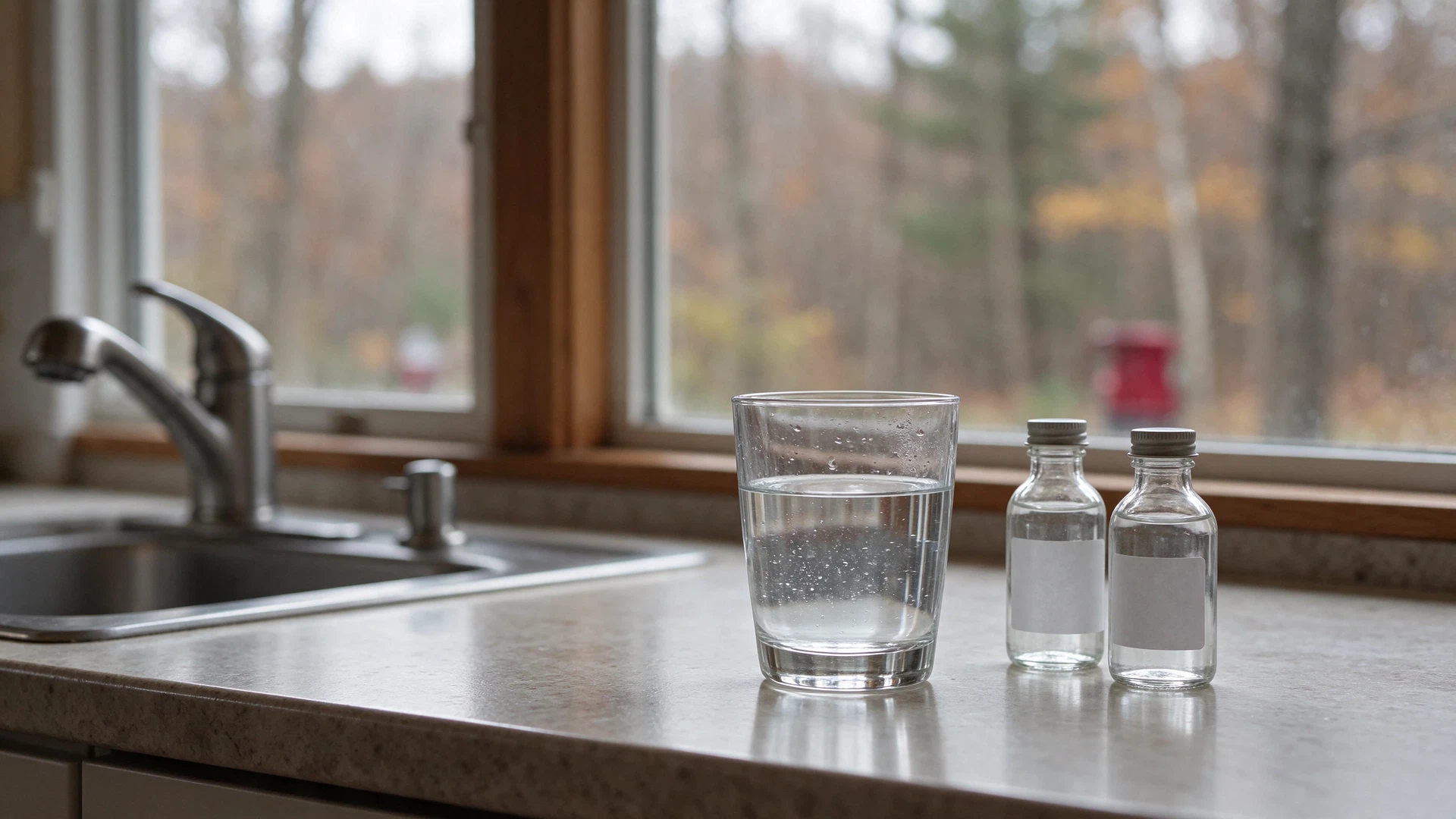
If your Vestal home uses a private well, annual water testing belongs on your household maintenance calendar. A clear glass at the kitchen sink is not a substitute for testing. Water can look and taste familiar without answering whether bacteria or nitrates are present.
Keep any reports you received when buying the house, but do not let closing be the last time your water was checked. Our well-and-septic buying guide covers purchase questions; this checklist is for living with your well year after year.
- Schedule the annual baseline even when water seems unchanged.
- Discuss flooding, well repairs, or new water changes promptly.
- Keep dated laboratory results with your well maintenance records.
Put a testing date on your calendar
Choose a month you will remember and set a recurring reminder. CDC recommends testing private well water at least once every year. If you cannot find a recent report, arrange a current test rather than assuming a previous owner or an earlier inspection covered it.
Before the appointment, gather the last laboratory report and note any well work or treatment changes since that sample. This gives the person arranging testing useful context and helps you keep track of what changed between results.
Confirm the four-part yearly baseline
CDC recommends annual testing for total coliform bacteria, nitrates, pH, and total dissolved solids. These measures answer different questions; they are not a screen for every possible contaminant.
Bacteria and nitrates
Total coliform bacteria are indicators that harmful germs could enter the water through similar pathways. A coliform finding needs follow-up, but it does not identify every disease-causing organism. Nitrates are a separate chemical concern. CDC notes that high nitrate levels can cause illness, especially in babies.
pH and total dissolved solids
pH describes how acidic or basic the water is and can affect plumbing. Total dissolved solids measure dissolved material, such as calcium or sodium, that may affect taste or leave buildup. Neither result substitutes for bacteria or nitrate testing. Ask your health department whether the property's circumstances call for additional analyses.
Do not wait a year after a change
CDC and EPA recommend additional testing after flooding, repairs or replacement of well-system parts, and changes in water taste, color, or smell. Note when the event happened and explain it when asking about testing. A repair receipt or water that clears up again does not answer the water-quality question.
Changes at home matter too. CDC recommends testing when someone becomes pregnant or a child starts living with you. Mention those changes when discussing the scope, even if the water seems normal. Ask the health department whether your household needs a different testing schedule.
If flooding reaches your well or contamination is suspected, contact the health department promptly for water-use and testing guidance. EPA advises not drinking or washing with water from a flooded well. Stay away from flooded pump equipment and seek qualified well-service help; do not attempt your own disinfection procedure.
Arrange the sample, not just the visit
GR8 offers water quality testing, but no particular panel is promised here. Tell Doug which yearly measures you want to discuss and share any recent changes. CDC recommends a state-certified laboratory. Confirm the laboratory arrangements and who will collect the sample rather than bringing water in a household container.
- Confirm the ordered analyses and what they leave untested.
- Ask which sampling point and preparation instructions apply.
- Ask when laboratory results are expected and who explains them.
File the result and the next step
Save the full report with its sampling date and location, not just a verbal summary. EPA notes that regular testing establishes a useful water-quality record. Compare results with help from the laboratory or health department when something is unclear. If harmful germs or chemicals are found, use a safe alternative water source while obtaining guidance on correction and repeat testing.
Plan your next well water check
Call or text owner Doug Skinner, CMI, at (607) 222-2256 to discuss testing for your Vestal home. Confirm the scope, laboratory, sampling arrangements, and result timing before scheduling. New York home-inspector license #16000119011.
Schedule an inspectionFurther reading & useful resources
RELATED POSTS.
Buying a Home With a Well and Septic System: Questions to Ask Before Closing
Understand the records, testing limits, and maintenance responsibilities that come with a home served by private water and wastewater systems.
Read the article3 min read
Radon Mitigation in Endicott: What to Check After Installation
Learn what your system indicator can tell you, when to verify radon reduction, and which records to keep after installation.
Read the article4 min read