
Once a radon mitigation system is installed in your Endicott home, the next question is whether it is reducing the radon you breathe. New piping and fan noise do not answer that question. You need operating instructions and a radon measurement after installation.
Ask the installer to walk you through the equipment before considering the job complete. Learn where the warning device is, what normal operation looks like, and whom to contact if something changes. These checks help you recognize a concern without attempting repairs yourself.
- A pressure indicator is not an indoor radon measurement.
- Verify reduction with a properly timed test.
- Keep the fan operating and save testing and service records.
Understand the system indicator
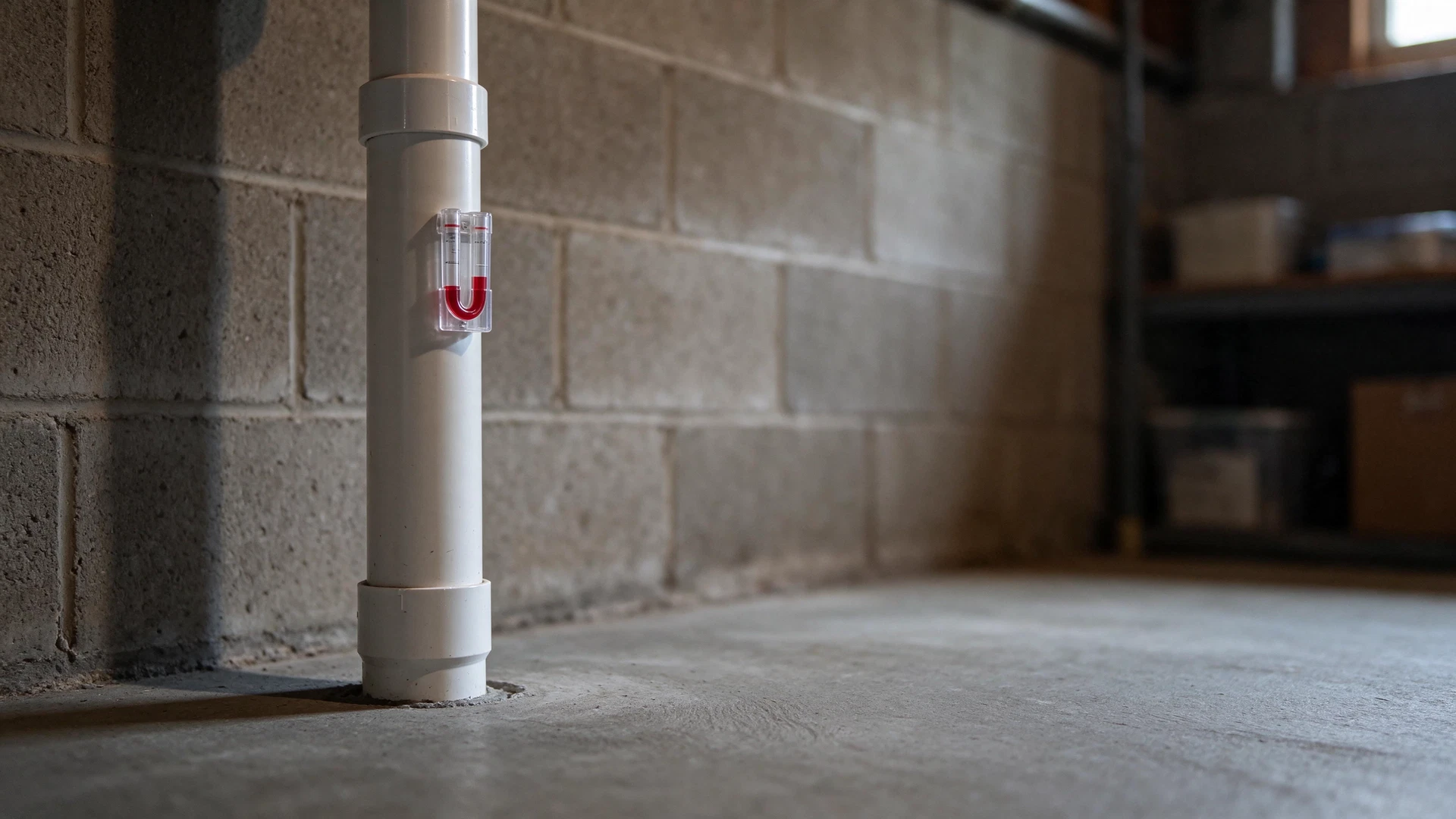
Many active systems have a U-shaped tube containing colored liquid, called a manometer. Ask the installer to document its normal reading and explain the warning signs for your installation. Do not borrow a supposedly correct reading from another system.
Pressure is not a radon result
The manometer measures air pressure within the piping, indicating airflow. It does not measure radon concentration in the room. Uneven liquid columns can indicate pressure in the system, but they cannot confirm the indoor radon level. Only a radon test supplies that information; a familiar gauge reading is not a substitute.
Observe safely without altering equipment
EPA advises checking an active system's warning device regularly and keeping its fan running continuously. If an alarm sounds, the reading changes unexpectedly, or the liquid columns become equal, contact the installer or a qualified radon service professional. Report what you observed rather than deciding which component failed.
From accessible areas, note visible damage to piping or seals and unusual equipment noise. Do not open the fan housing, work on wiring, disconnect pipes, or break a floor or sump-cover seal. Leave repairs and adjustments to qualified professionals. Avoid switching the fan off to quiet it or save electricity.
Arrange the post-installation radon test
EPA's Consumer's Guide recommends testing within 30 days of installation, but no sooner than 24 hours after the system begins operating with the fan on, if it has one. To check effectiveness, it recommends a two- to seven-day measurement. That waiting period is separate from the test duration and result delivery.
The guide calls for closed windows and exterior doors for 12 hours before and during the test, except normal entry and exit. Follow the tester's instructions and leave the mitigation fan operating. EPA recommends an independent follow-up measurement even if the contractor tests the installation. Clarify who will arrange it and explain the findings.
When the report arrives, check the test dates, measurement location, units, and any noted condition problems. Keep the complete report, not just a screenshot of the number. Ask whether the result supports the planned follow-up or calls for another measurement.
GR8's radon testing service can be discussed separately from system work. If results remain elevated, review them with the testing and mitigation professionals rather than adjusting equipment yourself.
Retest as the home changes
EPA recommends retesting at least every two years to check that levels remain low. After remodeling, retest in the lowest lived-in area. Before structural changes or finishing a basement, discuss possible effects on the system and warranty with your radon contractor.
An earlier result documents an earlier measurement, not every future condition. If installation followed a purchase, our Southern Tier homebuyer radon article explains that earlier stage; ongoing ownership still requires testing and system care.
Keep a useful system record
Save the installation date, contractor contact, operating instructions, warranty, normal indicator reading, and complete radon reports together. Add service visits and remodeling dates. Those records help a professional understand changes and give a future owner more than an unexplained pipe.
GR8 Home Inspections serves Endicott and offers radon mitigation and testing. Owner Doug Skinner, CMI, holds New York home inspector license 16000119011. Bring existing records when discussing your system; that conversation does not assume GR8 installed it.
Discuss your next radon check
Call or text Doug at (607) 222-2256 with your installation date, latest test report, and questions about testing or mitigation follow-up.
Schedule an inspectionFurther reading & useful resources
RELATED POSTS.
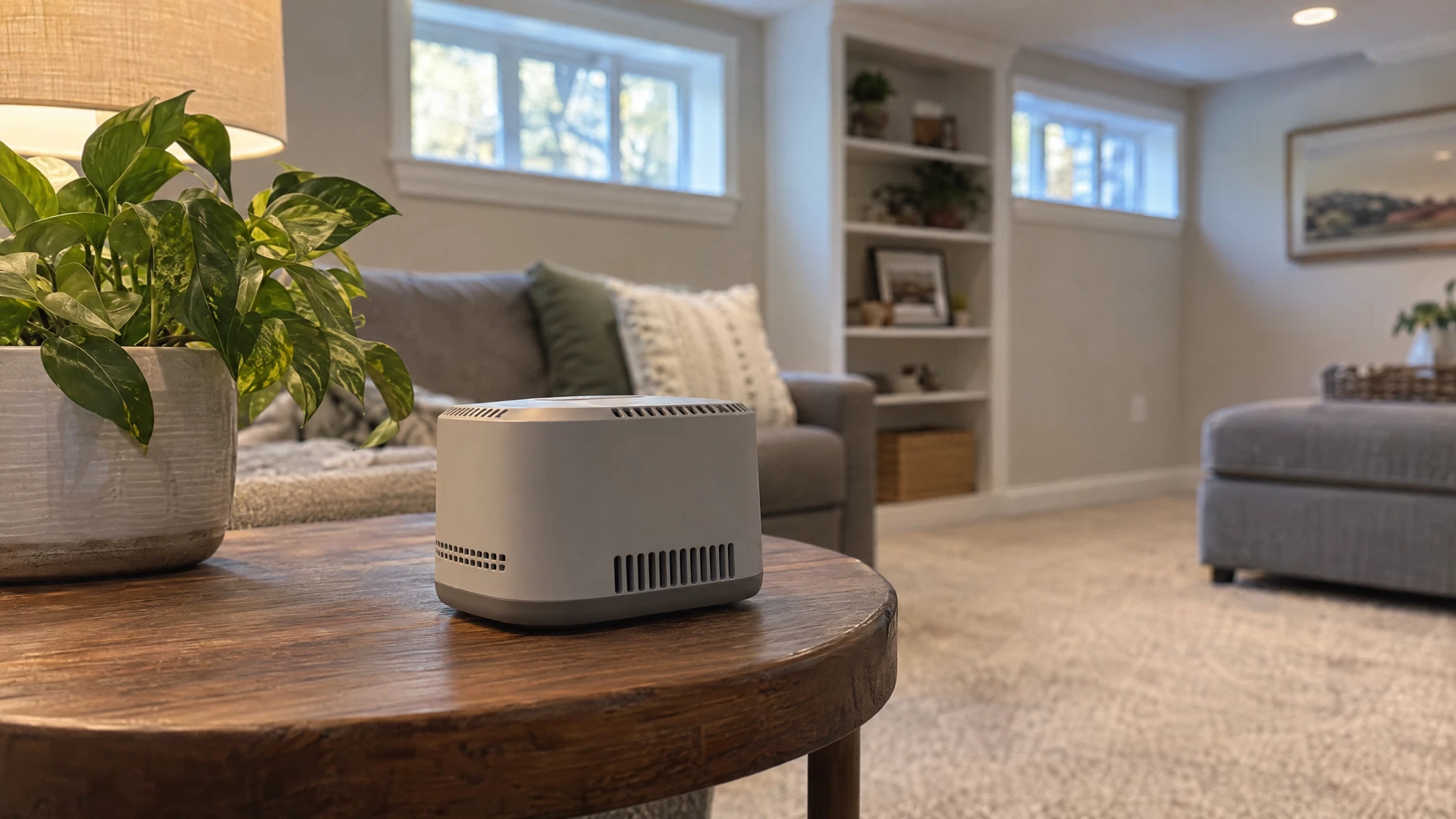
Why Radon Testing Belongs in a Southern Tier Home Purchase
Plan testing early so property-specific results can inform your next steps before closing.
Read the article3 min read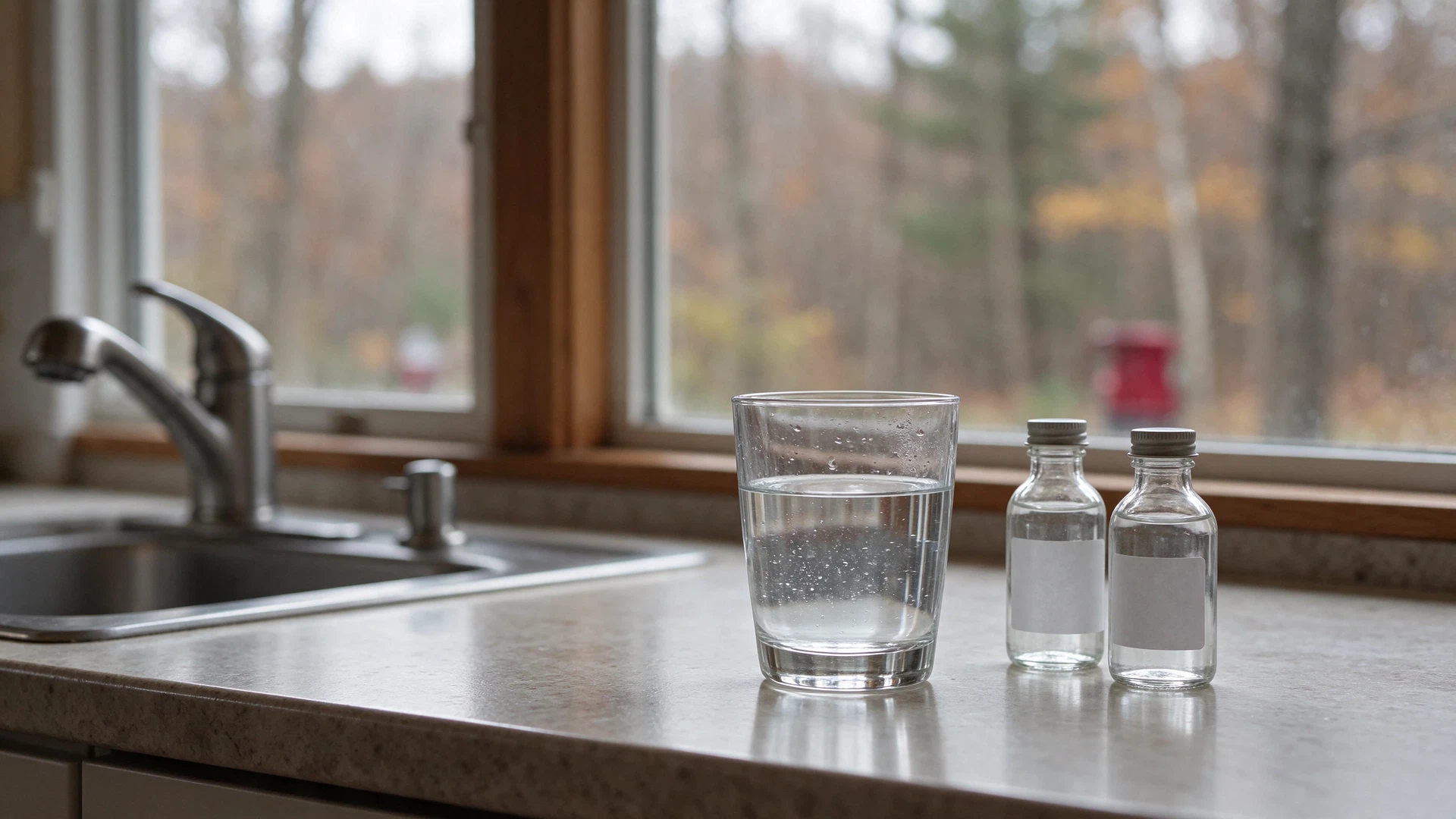
Private Well Water Testing in Vestal: A Homeowner’s Yearly Checklist
Set a yearly testing reminder, understand the recommended baseline, and know which changes call for attention before the next scheduled check.
Read the article4 min read