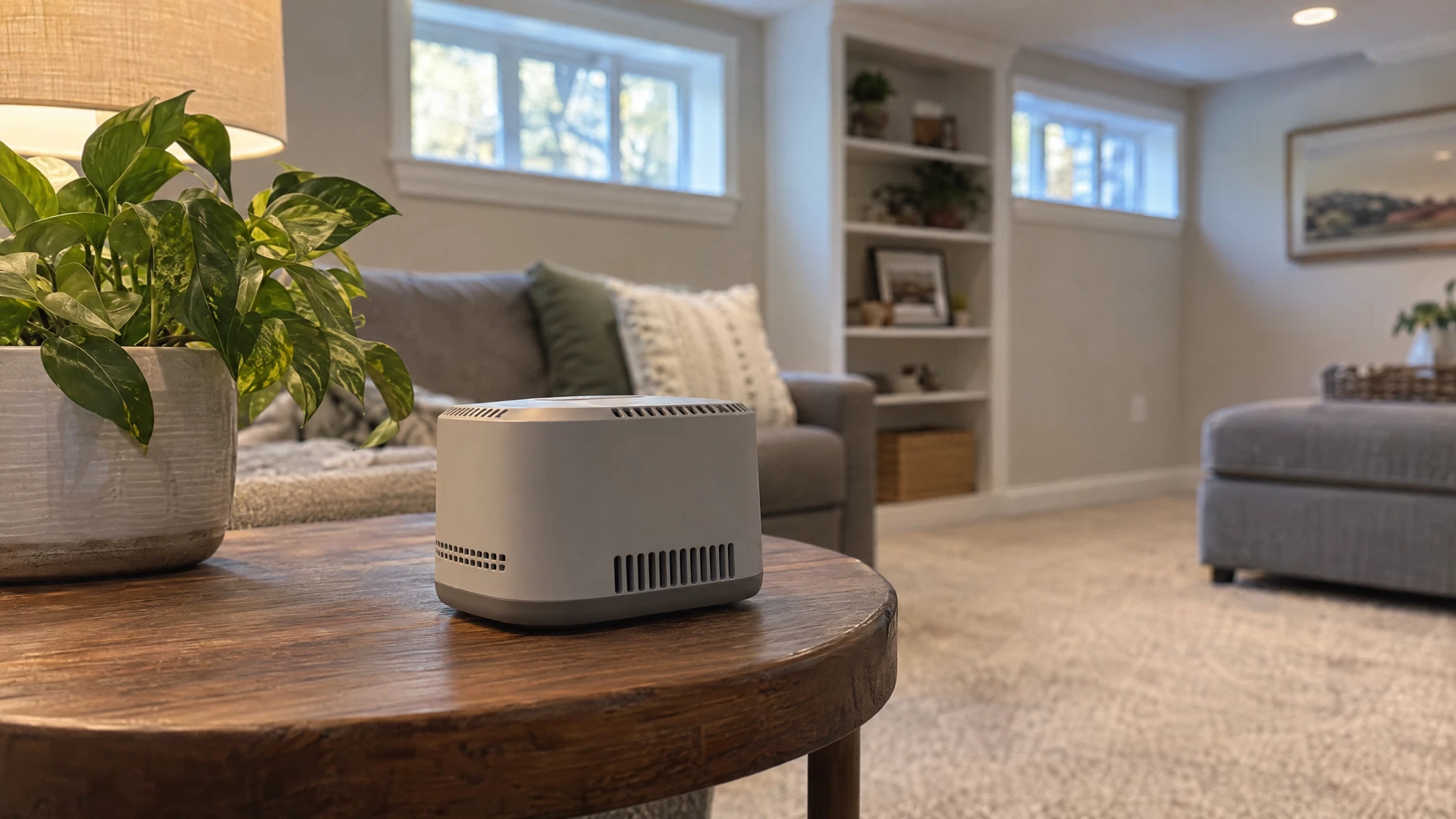
A finished basement may look ideal for a family room or home office, but its appearance cannot tell you the radon level. Radon is a naturally occurring radioactive gas that you cannot see, smell, or taste. Testing answers a question that a walkthrough cannot.
For buyers in Greater Binghamton and the Southern Tier, radon testing belongs in the purchase plan, not on a list to revisit after moving. EPA recommends testing homes during a purchase. Starting early leaves time to arrange access, maintain testing conditions, review the findings, and discuss mitigation if needed.
- Test the property you are buying, not the neighborhood.
- Give occupants the testing professional's preparation instructions.
- Allow time for results and any follow-up before your deadline.
Why a neighbor's result cannot answer your question
EPA explains that even homes next to each other can have different indoor radon levels. A neighbor's low reading, the house's age, or its fresh finishes are not substitutes for testing this property. New and older homes can both have radon concerns.
Ask the seller for previous test reports and any mitigation records. Review when and where testing occurred, who performed it, and whether renovations or heating and ventilation changes followed. Tell the tester how you intend to use lower-level rooms. EPA recommends testing the lowest level that could be used regularly, whether it is finished or unfinished.
Coordinate access before the inspection deadline
A radon test takes place over a measurement period; it is not an instant reading during the home inspection. EPA's real-estate guidance calls for at least 48 hours, with some devices requiring longer. Confirm the actual testing period and result timing with your provider.
- Share your inspection deadline and closing schedule when requesting testing.
- Arrange both device placement and collection with the seller or agent.
- Ask who will receive the results and explain any follow-up recommendations.
Protect the test conditions
Follow the testing professional's written closed-house instructions before and throughout the test. These generally mean closed windows and exterior doors, except for normal entry and exit. Ask when preparation must begin and how heating, cooling, ventilation equipment, and an existing mitigation system should operate.
Make sure everyone with access understands the instructions, including occupants and anyone attending a showing. Do not move, unplug, cover, or adjust the device. Tell the tester about a disrupted condition rather than trying to correct the record yourself; another test may be needed.
What does an elevated result mean for the purchase?
EPA recommends reducing radon when the level is 4 picocuries per liter of air, written as pCi/L, or higher. It also recommends considering reduction between 2 and 4 pCi/L. A result below the action level is not a guarantee of zero risk, and short-term measurements do not describe every season.
Review the report with the testing professional. Ask whether the test conditions were valid and whether further measurement is appropriate. Then discuss the finding and your purchase deadlines with your agent rather than assuming it automatically ends the transaction.
Plan mitigation and confirmation together
An elevated result calls for a practical reduction plan. Ask a qualified mitigation professional for a property-specific proposal and discuss timing and responsibility with the seller. EPA recommends testing after mitigation to confirm reduced levels, preferably through an independent qualified tester. Keep the proposal, system information, and follow-up results.
GR8 Home Inspections offers radon testing and mitigation. Owner Doug Skinner, CMI, can help buyers coordinate radon services alongside the residential inspection, while keeping the testing process and its result timing clear.
Discuss testing before your deadline
Call or text GR8 Home Inspections at (607)222-2256 to discuss your property's access arrangements, intended lower-level use, and purchase timeline.
Schedule an inspectionFurther reading & useful resources
RELATED POSTS.
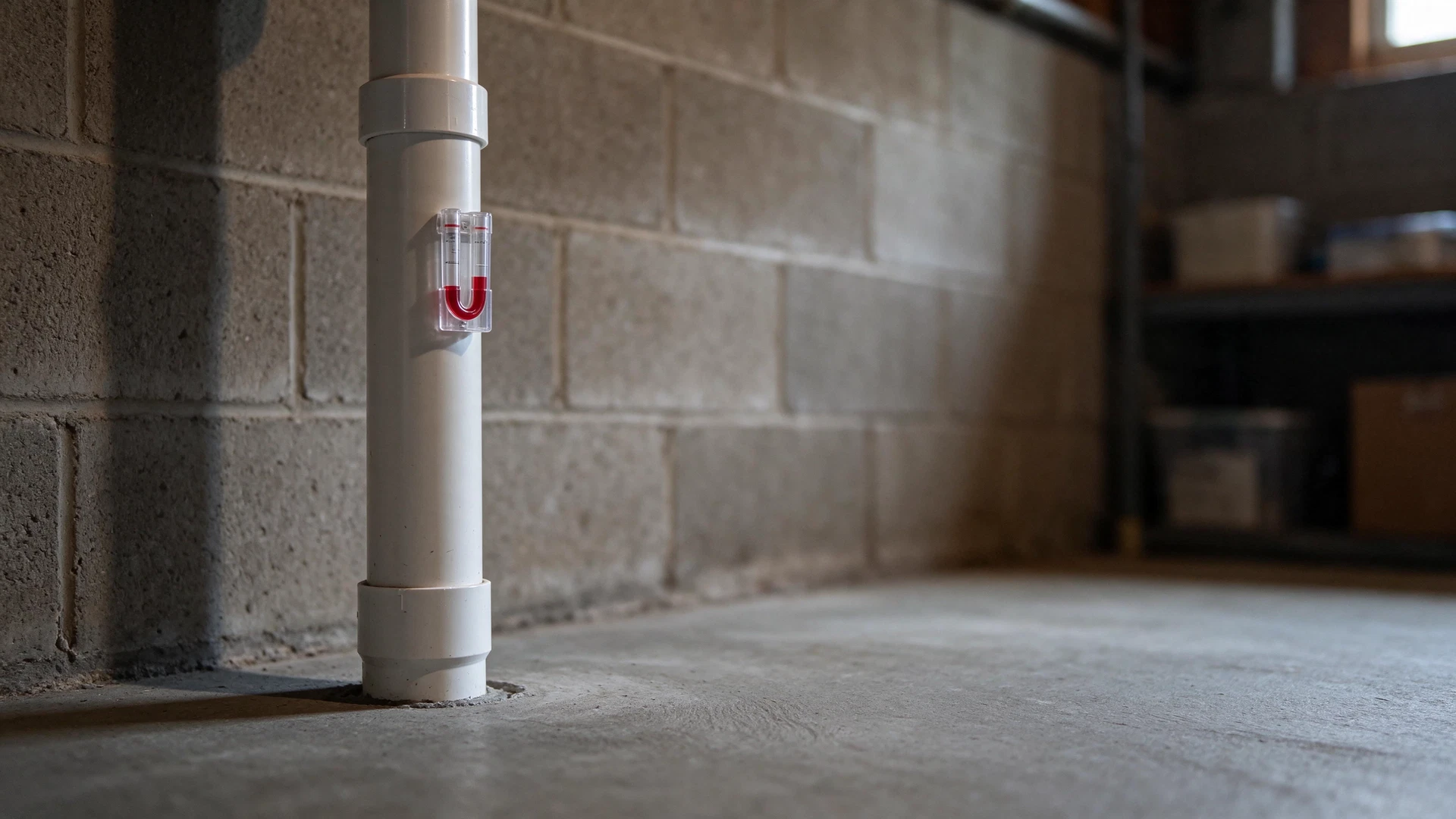
Radon Mitigation in Endicott: What to Check After Installation
Learn what your system indicator can tell you, when to verify radon reduction, and which records to keep after installation.
Read the article4 min read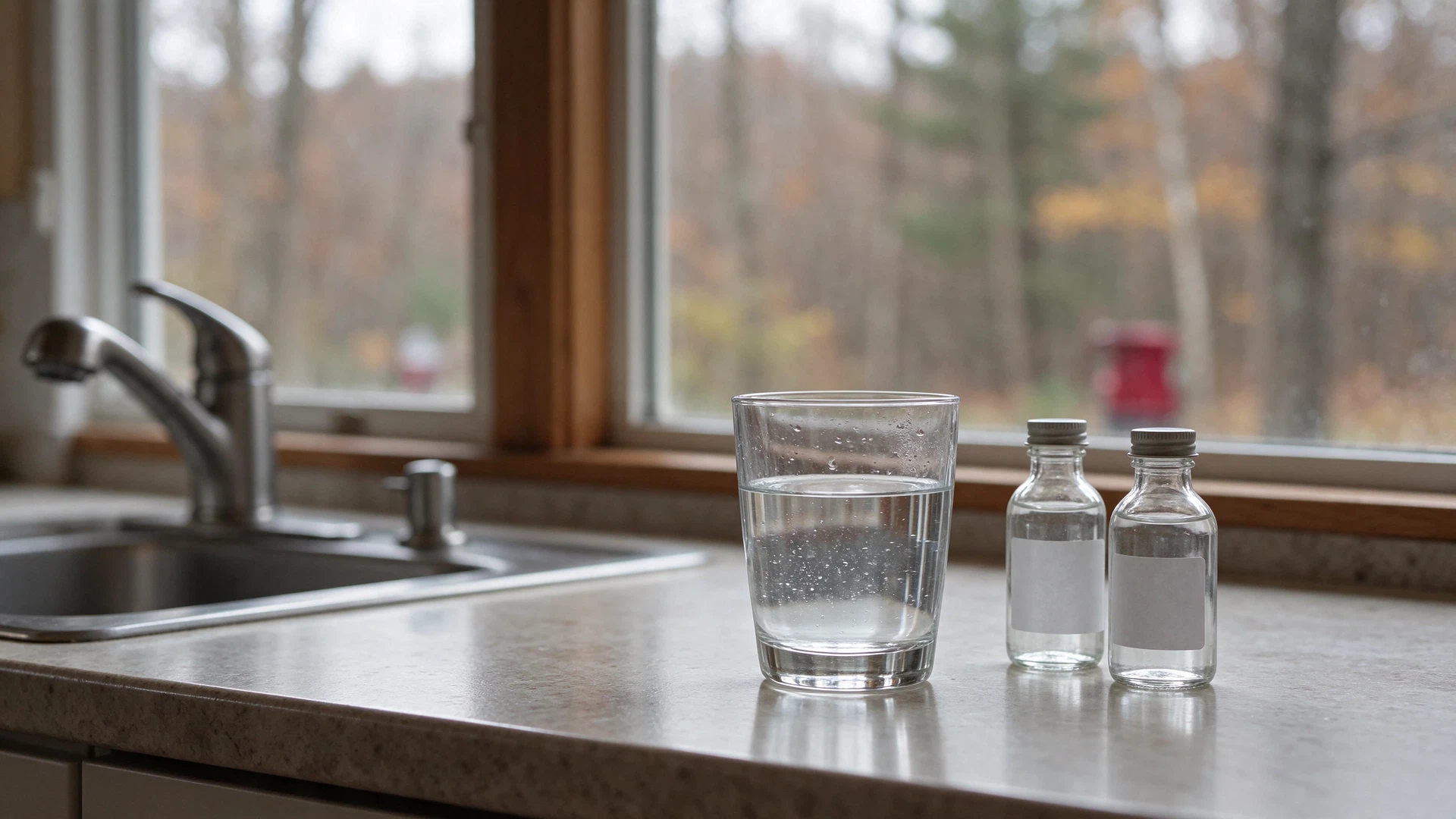
Private Well Water Testing in Vestal: A Homeowner’s Yearly Checklist
Set a yearly testing reminder, understand the recommended baseline, and know which changes call for attention before the next scheduled check.
Read the article4 min read